ICE London
Thursday 17 September 2026 · One Great George Street 

Bill Guo FICE CEng MEng
Vice Chair, ICE London · Founder, AutomateX

Anthony Dewar EurIng BEng CEng FICE FRSA
Head of Estate and Architectural Design, Network Rail

Lucy Gardner CEng FICE
Global Rail Skills Network Leader, Arup

Amira Damji CEng MICE MIStructE
Founder, Additive Sustainability · ICE London AI Working Group
AI and the civil engineer: reimagining roles in infrastructure delivery
ICE London · Rennie Room · 18:30
US Census of Manufactures 1929; Paul David, The Dynamo and the Computer, 1990; Warren Devine, From Shafts to Wires, 1983. Pictures: Baines 1835 engraving and Governor Square c.1929 via Wikimedia Commons; Library of Congress.
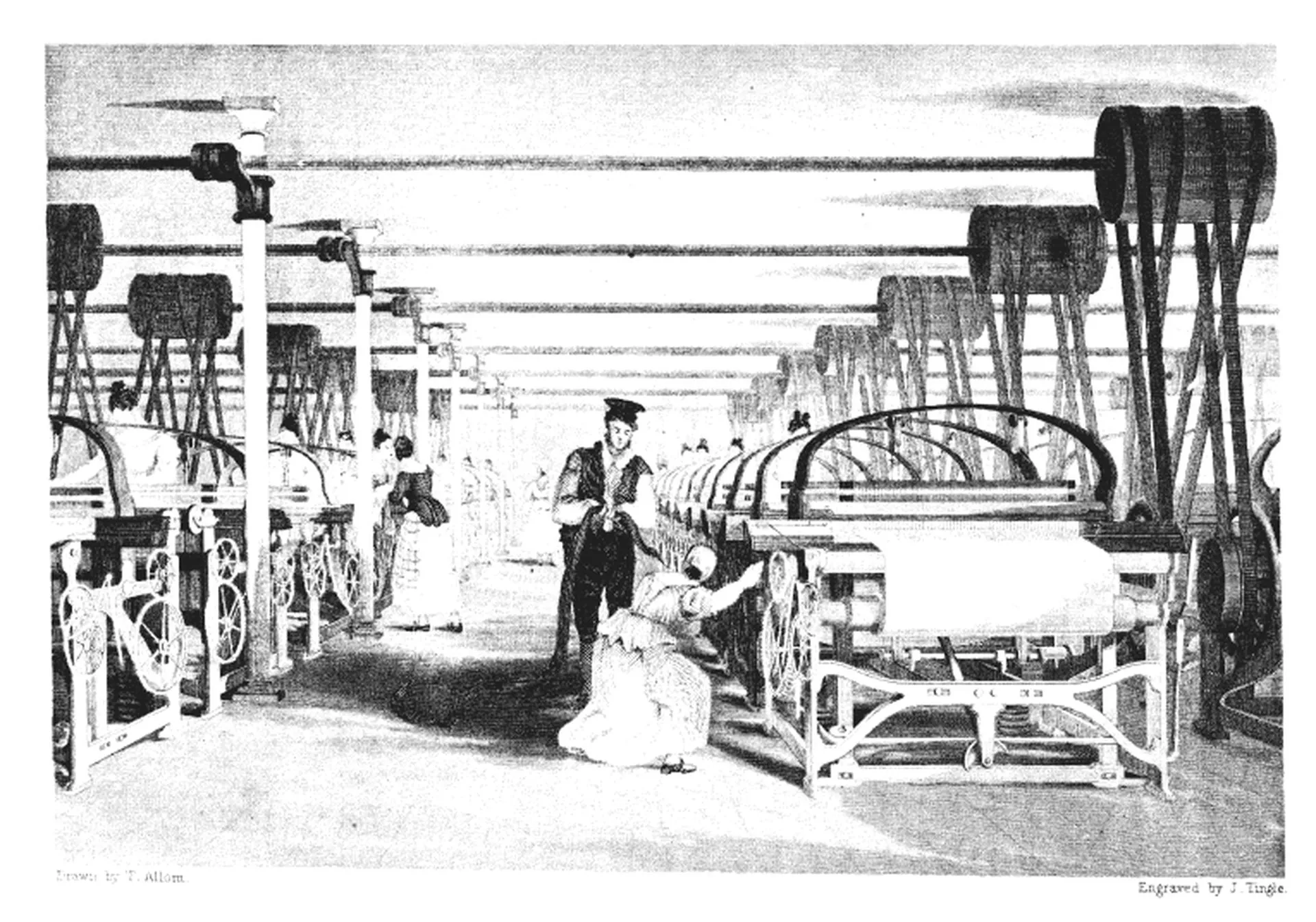
1882
Factories run on steam, shafts and belts. In New York, Edison switches on the first central power station.
Engraving after T. Allom, Baines, History of the Cotton Manufacture, 1835. Wikimedia Commons, public domain
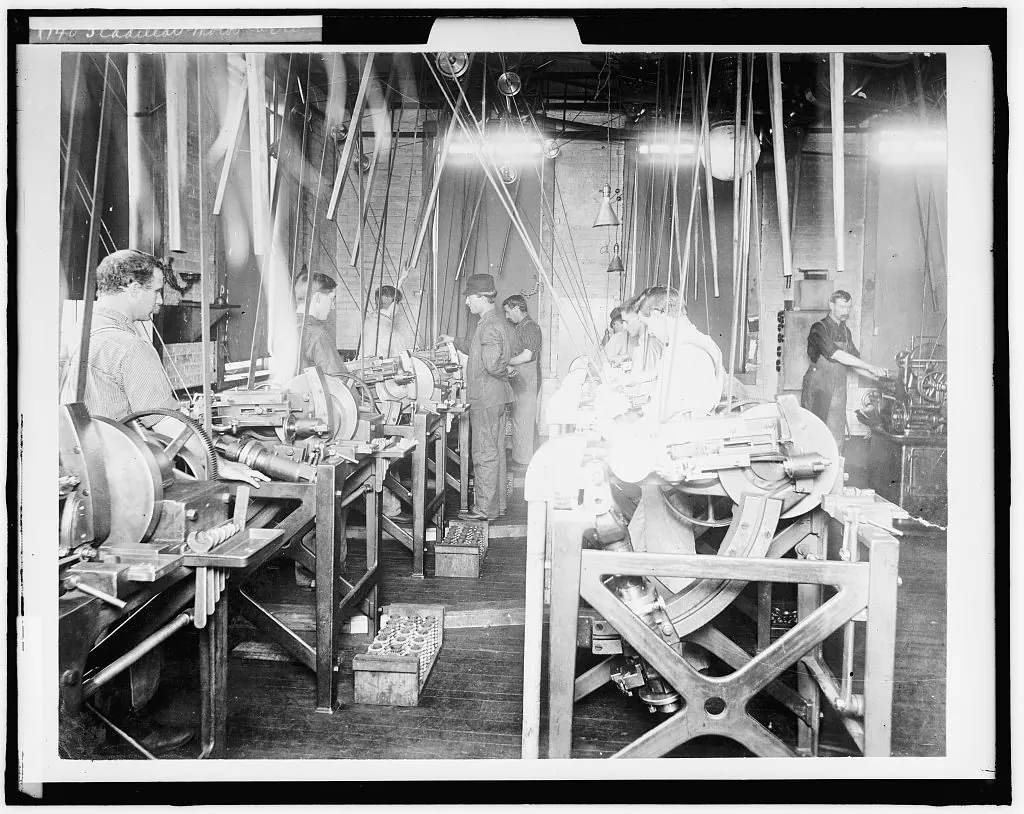
1899
The motor is fitted into the old factory. Seventeen years on, under 5% of factory power.
Library of Congress, about 1900
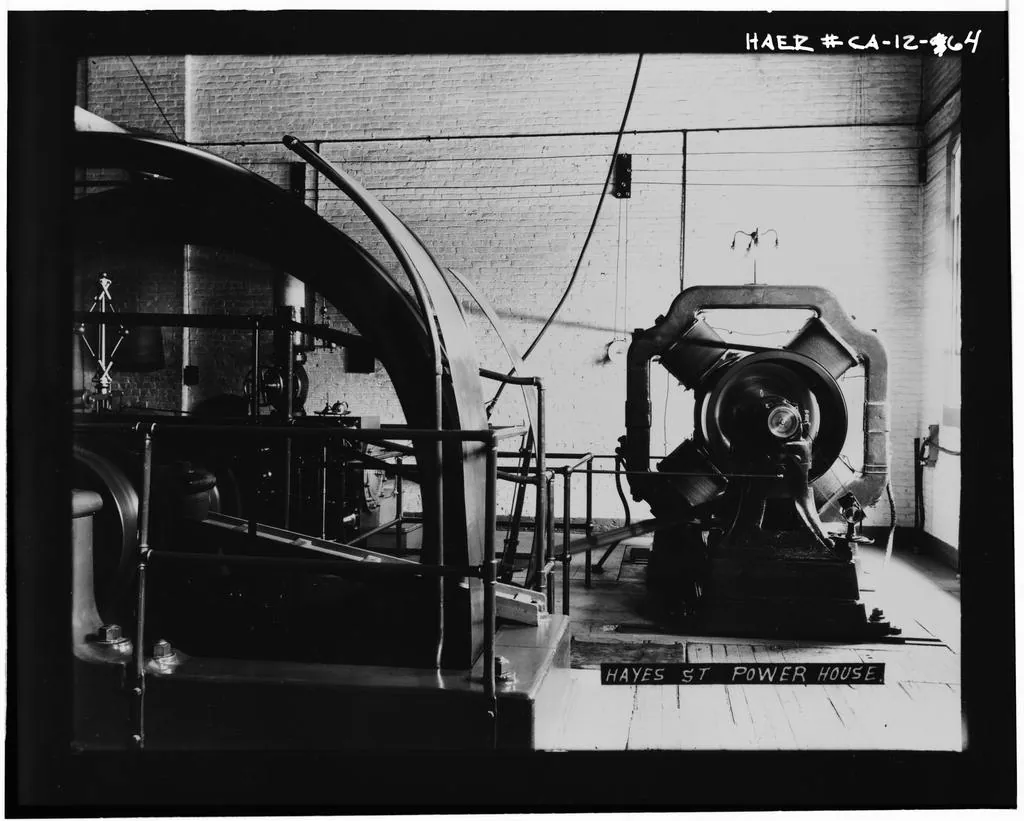
1905
A few firms stop fitting the motor to the factory and build the factory around the motor. People think they are mad.
Library of Congress, 1905
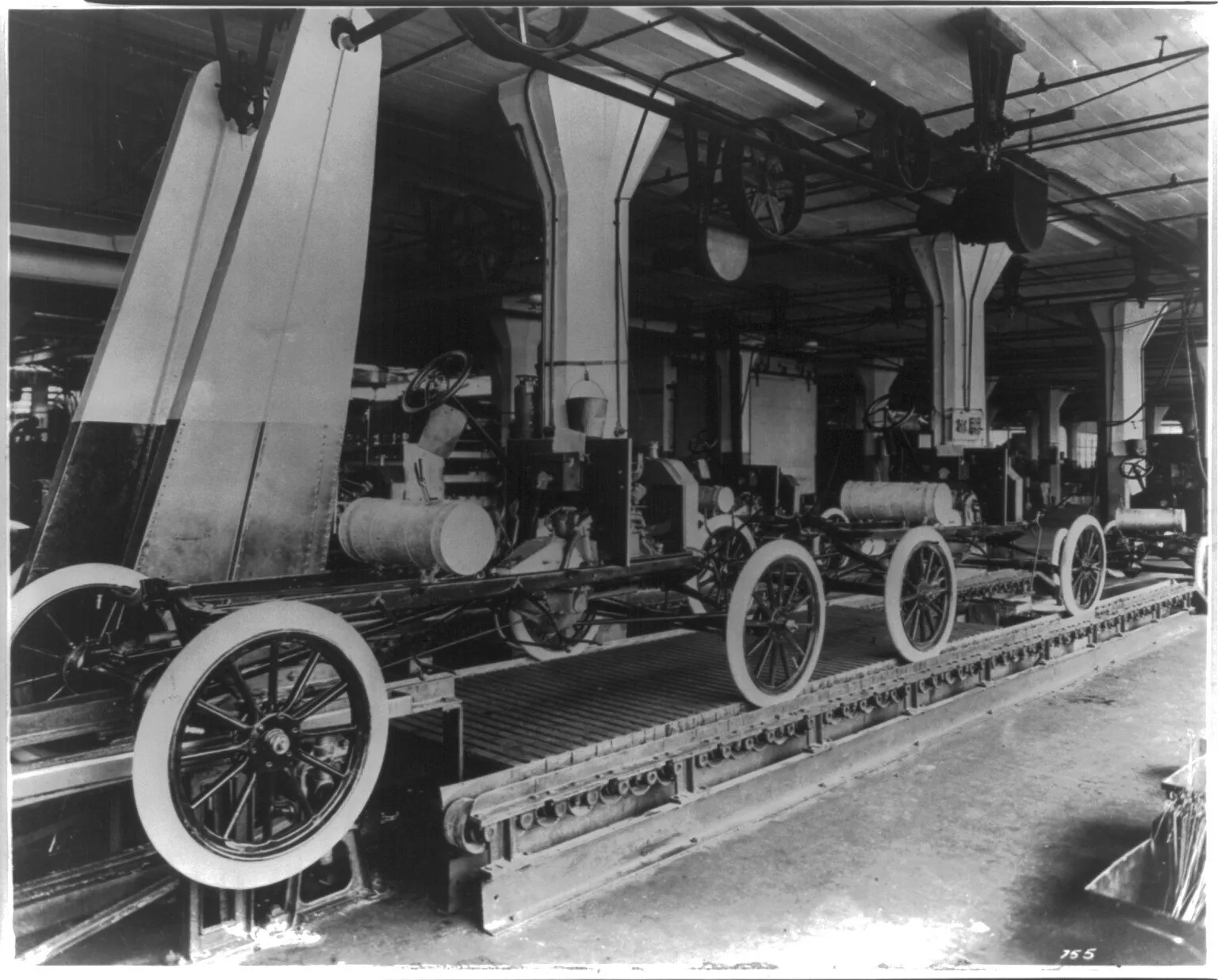
1913
The Ford motor assembly line. The rest follow.
Library of Congress, about 1913
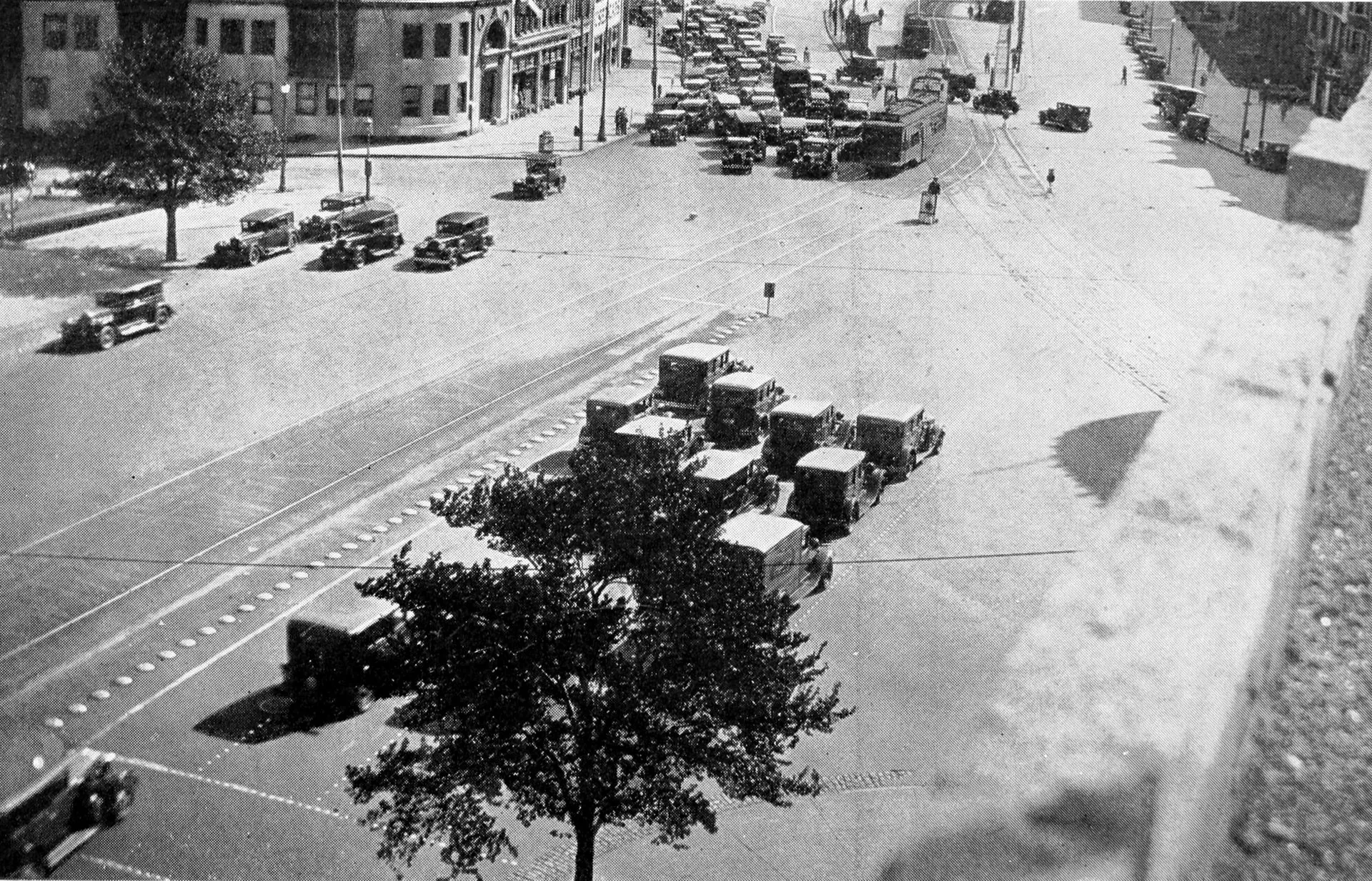
1920s
The Roaring Twenties. Manufacturing rebuilt around the motor, and the boom follows.
Governor Square, Boston, about 1929. Wikimedia Commons, public domain
An opening story · American factories, 1882 to 1929
A similar productivity boom.
1919 to 1929
+46%
output per man-hour
59 → 51
hours in the working week
×5.5
electricians, a trade that barely existed: 50,717 in 1900, about 280,000 by 1930
And some skills carried straight across the era. The people who could lay out the work.
AI and the civil engineer · ICE London · 17 September 2026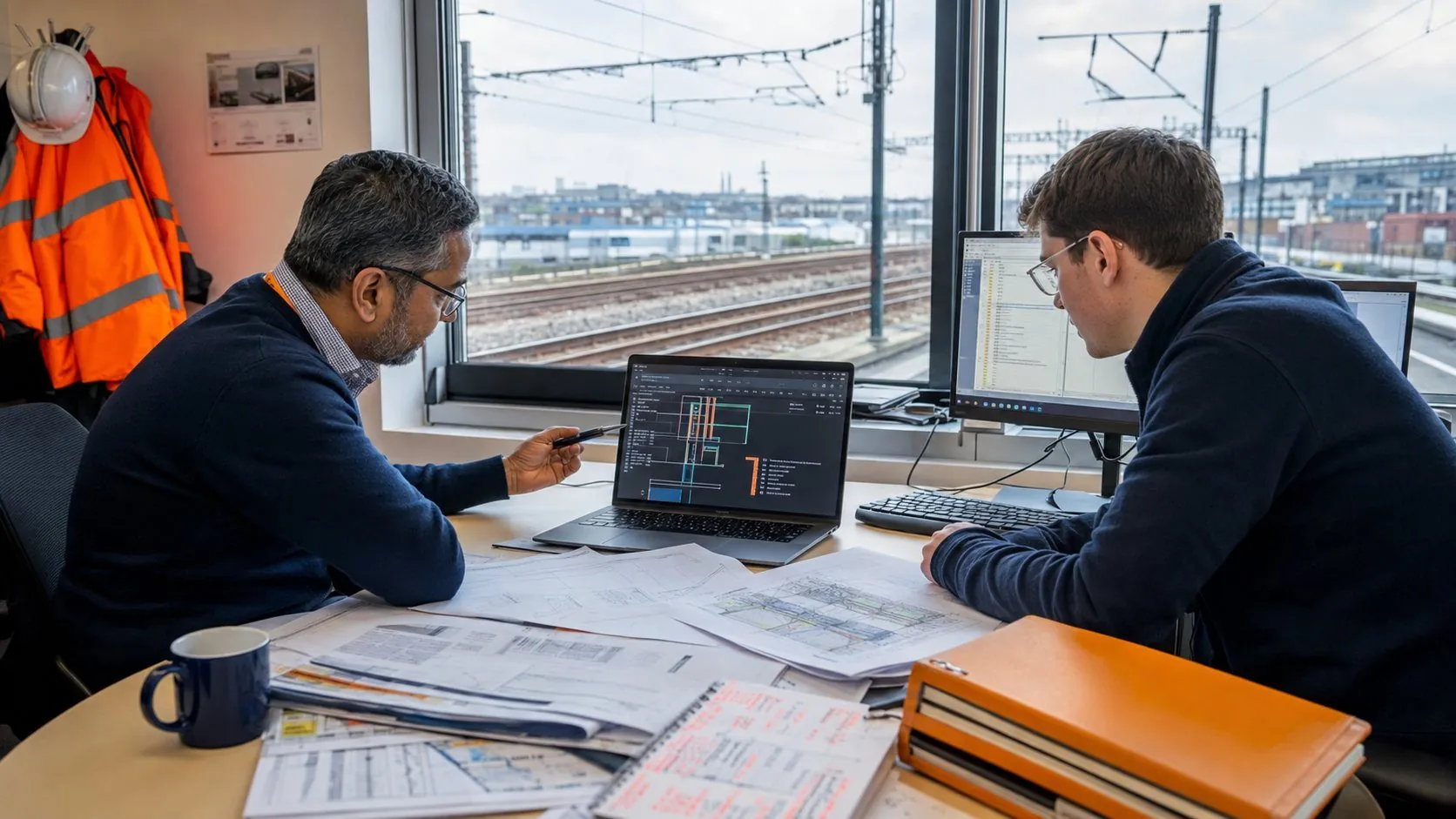
A hundred years on
The motor is now AI. The factory is how we deliver infrastructure.
Fit it into the old factory, or rebuild around it?
AI and the civil engineer · ICE London · 17 September 2026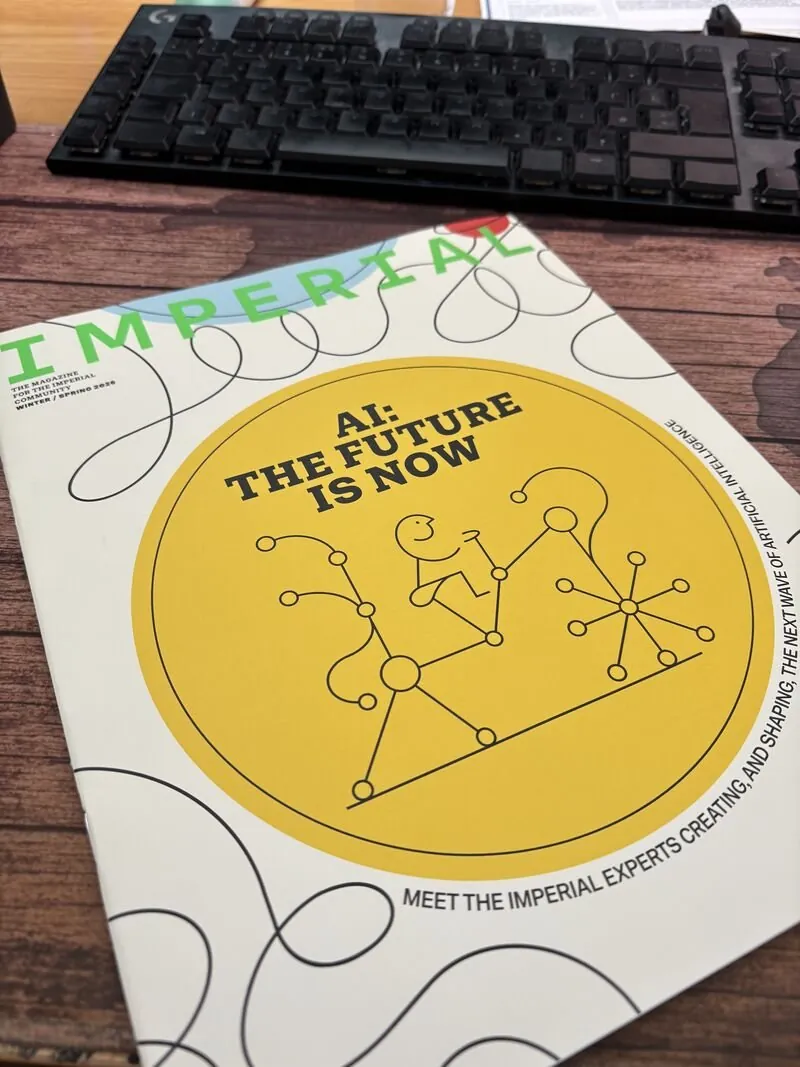
Why we are here
Why does 2026 feel different?
Imperial, the magazine for the Imperial community, issue 59, Winter/Spring 2026. On my desk this week.
AI and the civil engineer · ICE London · 17 September 2026The context
AI capability rose fast and is still rising. Adoption lagged, and is closing the gap.
Selected milestones; spacing is schematic.
AI and the civil engineer · ICE London · 17 September 2026The views about AI
The views about AI are polarised.
Tonight is not about an answer. It is about choosing the question worth asking.
AI and the civil engineer · ICE London · 17 September 2026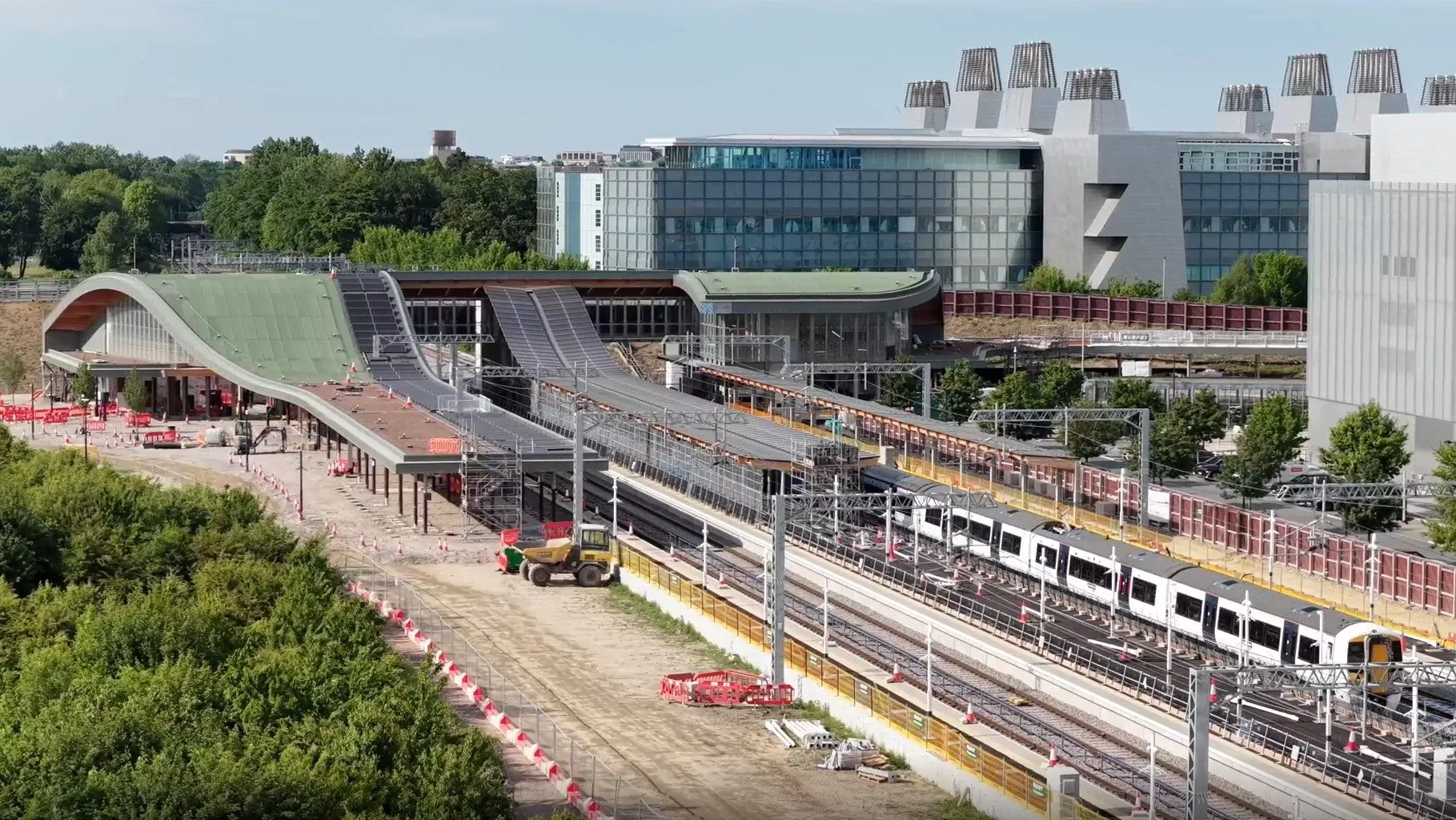
Tonight's question
How is our role
in infrastructure delivery
being reshaped in the era of AI?
in infrastructure delivery
being reshaped in the era of AI?
AI and the civil engineer · ICE London · 17 September 2026Work for the work
Peel the layers and the core is engineering judgement.
formatting and re-typing
finding the last version
re-entering the same context
chasing comments and approvals
first drafts of things written a hundred times
engineering judgement, and the signature
AI and the civil engineer · ICE London · 17 September 2026The how
So how do we become AI-enabled?
Our value is the vault. AI is the golden key.
AI and the civil engineer · ICE London · 17 September 2026One example, last year
55 stations to survey.
AI and the civil engineer · ICE London · 17 September 2026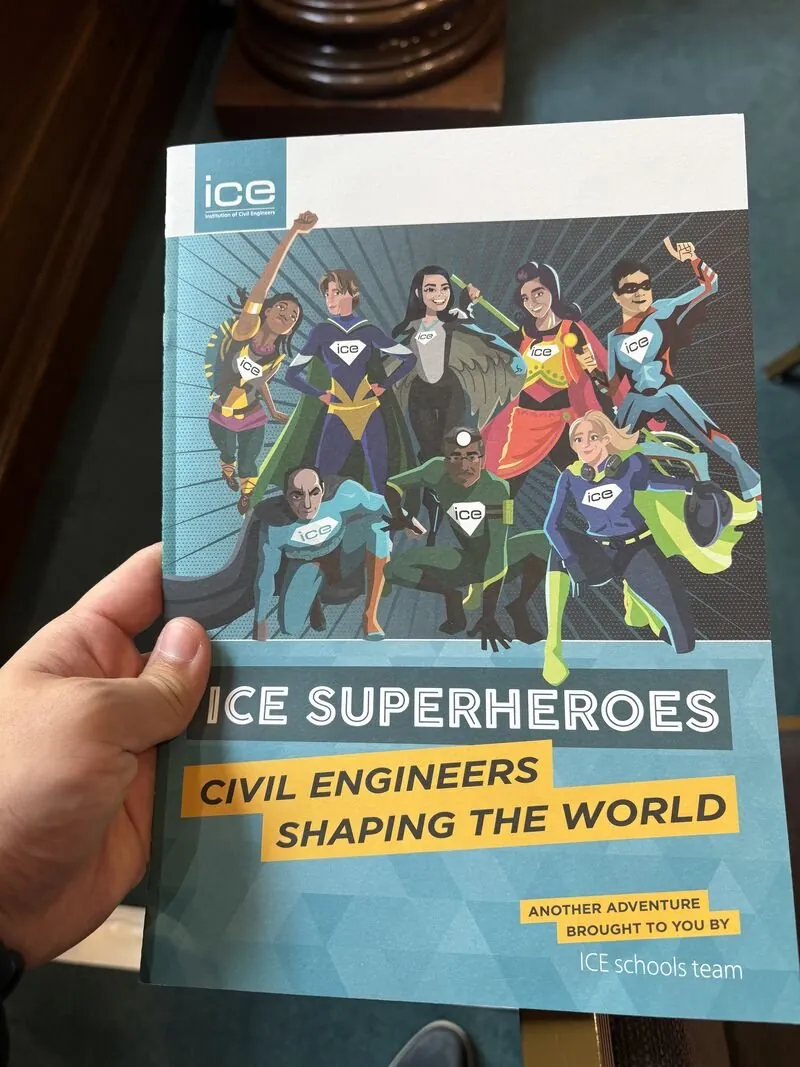
Before I introduce the speakers
Two centuries of shaping the world.
We lasted because we evolved with our tools, and kept delivering the value society needs.

A gift to take homeTonight's slides, and the evergreen skills a civil engineer should keep developing. How to ride this wave, with AI as the golden key to the vault of our value.automatex.uk/ice.html
AI and the civil engineer · ICE London · 17 September 2026Speaker one
Design. Build. Operate. Renew. AI Changes Everything.
Anthony Dewar EurIng BEng CEng FICE FRSA
Head of Estate and Architectural Design · Company Technical Authority for Buildings, Network Rail
Technical and safety leadership for one of Britain's largest and most diverse building portfolios. A recognised voice on the future of railway stations, buildings and the built environment.

ICE London · AI and the civil engineer · 17 September 2026
Speaker two
How AI is shaping Arup’s Global Rail Skills Strategy
Lucy Gardner CEng FICE
Associate Director, Global Rail Skills Network Leader, Arup
A Fellow of the ICE and the Rail Engineering Institution, with 20 years in rail leading multidisciplinary design teams in the UK and Australia. The technical home for Arup's core rail systems disciplines.

ICE London · AI and the civil engineer · 17 September 2026